
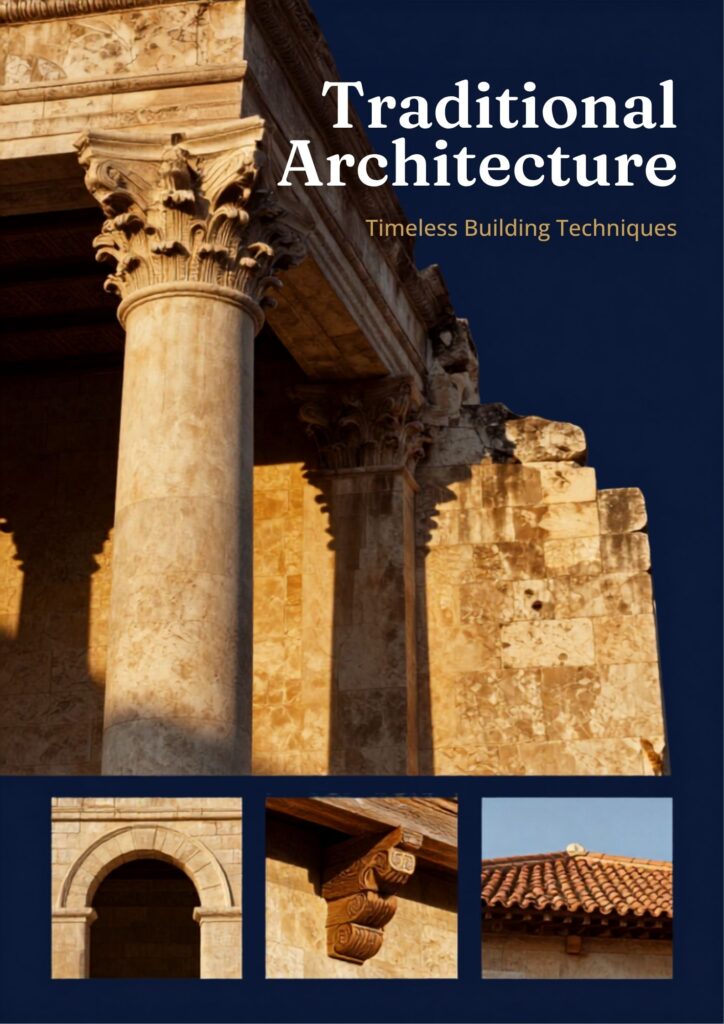
Timeless Building Techniques That Still Inspire Modern Design
traditional architecture and Construction .In an age of smart cities, AI-powered design, and high-rise skylines, traditional architecture continues to captivate architects, builders, and homeowners around the world. While modern construction emphasizes speed, efficiency, and advanced materials, traditional architecture reminds us that great buildings are not only about technology—they are also about culture, craftsmanship, sustainability, and a deep understanding of nature.
Traditional architecture and construction have shaped civilizations for centuries, offering sustainable and durable building solutions that continue to inspire modern architects. For thousands of years, civilizations built homes, temples, forts, and public spaces without modern machinery. Yet many of these structures still stand today, proving that traditional building methods were remarkably durable and thoughtfully designed. From stone castles in Europe to mud houses in Africa, wooden temples in Japan, and courtyard homes in India, these architectural masterpieces continue to inspire modern construction.
Today, architects are rediscovering ancient building techniques to create environmentally friendly, energy-efficient, and aesthetically pleasing spaces. Traditional architecture is no longer viewed as outdated; instead, it serves as a valuable guide for designing sustainable buildings that respect both people and the environment.
This article explores the timeless principles of traditional architecture, the construction methods used across different cultures, and how these centuries-old techniques continue to influence modern building design.
What Is Traditional Architecture?
Traditional architecture refers to building styles and construction methods that evolved naturally over generations within a specific region or culture. Instead of following universal design trends, traditional buildings were shaped by local climate, geography, available materials, and cultural values.
Unlike many modern buildings that rely heavily on steel, concrete, and air conditioning, traditional structures were designed to work with nature rather than against it.
Some defining characteristics include:
- Use of locally sourced materials
- Handcrafted construction techniques
- Climate-responsive design
- Cultural symbolism
- Long-lasting durability
- Minimal environmental impact
Traditional architecture demonstrates how communities created comfortable, functional, and beautiful spaces using the resources around them.
The Importance of Traditional Construction
Traditional construction methods were developed through generations of observation and experience. Builders understood how wind flowed, how sunlight changed throughout the day, and how different materials reacted to changing seasons.
These buildings often required very little mechanical cooling or heating because their designs naturally regulated indoor temperatures.
Benefits of traditional construction include:
- Lower environmental impact
- Better natural ventilation
- Excellent thermal insulation
- Reduced maintenance
- Strong cultural identity
- Long lifespan
Many buildings constructed hundreds of years ago remain in excellent condition, demonstrating the effectiveness of these techniques.
Local Materials: Building with Nature
One of the greatest strengths of traditional architecture is its reliance on local materials. Instead of transporting expensive resources over long distances, builders used whatever was naturally available.
Common materials included:
Stone
Stone structures have survived for centuries due to their incredible strength and weather resistance.
Advantages:
- Extremely durable
- Fire resistant
- Excellent thermal mass
- Low maintenance
Ancient forts, castles, and temples built from stone continue to inspire modern architects.
Wood
Regions rich in forests developed sophisticated wooden construction methods.
Benefits include:
- Renewable resource
- Flexible during earthquakes
- Beautiful natural appearance
- Easy to repair
Traditional Japanese wooden temples are famous for surviving earthquakes through intelligent joinery rather than nails.
Mud and Adobe
In hot climates, mud bricks provided natural cooling and insulation.
Advantages:
- Affordable
- Locally available
- Energy efficient
- Biodegradable
Many rural communities still rely on mud construction because of its comfort and sustainability.
Bamboo
Bamboo is one of the fastest-growing construction materials in the world.
Benefits include:
- Lightweight
- High tensile strength
- Flexible
- Sustainable
- Rapidly renewable
Modern eco-resorts increasingly incorporate bamboo into innovative architectural designs.
Climate-Responsive Design
Traditional builders understood that architecture should adapt to local weather rather than fight against it.
Different climates required different solutions.
Hot and Dry Regions
Buildings often featured:
- Thick walls
- Small windows
- Courtyards
- Shaded verandas
These features reduced indoor temperatures naturally.
Cold Regions
Traditional homes included:
- Compact layouts
- Small openings
- Heavy insulation
- Steep roofs
These designs minimized heat loss and protected buildings from snow.
Tropical Areas
Homes commonly had:
- Elevated floors
- Large roof overhangs
- Cross ventilation
- Lightweight materials
These features improved airflow while protecting against heavy rainfall.
Modern sustainable architecture continues to apply these same climate-responsive principles.
Traditional Building Techniques That Still Inspire Modern Design
Stone Masonry
Stone masonry involves carefully placing stones without relying heavily on cement.
Ancient masons used precision cutting and interlocking techniques to create remarkably stable structures.
Many modern architects continue to use exposed stone walls for both strength and visual appeal.
Timber Joinery
Traditional carpenters developed complex wooden joints that required no nails or screws.
Benefits include:
- Structural flexibility
- Easier repairs
- Earthquake resistance
- Beautiful craftsmanship
Modern timber architecture increasingly embraces these techniques.
Lime Plaster
Before cement became common, lime plaster protected walls while allowing them to breathe.
Advantages:
- Prevents moisture buildup
- Naturally antibacterial
- Flexible
- Long lasting
Historic buildings often remain in excellent condition because lime accommodates small structural movements without cracking.
Thatch Roofing
Roofs made from straw, reeds, or palm leaves provided excellent insulation.
Although less common today, modern eco-lodges have revived thatched roofs for their natural appearance and energy efficiency.
Earthen Construction
Techniques such as rammed earth and adobe are experiencing a global revival.
Advantages include:
- Low carbon footprint
- Natural insulation
- Minimal waste
- Beautiful textures
Contemporary architects increasingly combine earthen walls with modern engineering standards.
Cultural Identity Through Architecture
Table of Contents
Traditional buildings are more than physical structures—they tell stories about the people who built them.
Architectural details often reflect:
- Religious beliefs
- Family traditions
- Social hierarchy
- Local craftsmanship
- Community values
For example:
Indian temples feature intricate stone carvings representing mythology.
Japanese houses emphasize harmony with nature.
Mediterranean homes reflect the need for cool interiors and outdoor living.
African villages showcase community-centered layouts using locally sourced materials.
Every culture developed architecture that reflected its unique identity.
Lessons Modern Architecture Is Learning
As environmental concerns continue to grow, architects are rediscovering traditional wisdom.
Several ancient principles have become essential components of sustainable architecture.
Passive Cooling
Instead of relying entirely on air conditioning, architects now design buildings that maximize natural airflow.
Traditional courtyards, shaded windows, and thick walls significantly reduce energy consumption.
Natural Lighting
Traditional homes carefully positioned windows to maximize daylight.
Modern buildings increasingly use similar strategies to reduce electricity use.
Local Materials
Transporting construction materials creates significant carbon emissions.
Using local resources reduces costs while supporting regional economies.
Longevity
Traditional buildings were designed to last for generations.
Today, architects are once again prioritizing durability over short-term savings.
Famous Examples of Traditional Architecture
Indian Temple Architecture
India is home to remarkable temples showcasing extraordinary craftsmanship.
Features include:
- Stone carvings
- Symmetrical layouts
- Massive pillars
- Intricate sculptures
These temples demonstrate engineering skills that continue to amaze researchers.
Japanese Wooden Temples
Traditional Japanese architecture emphasizes simplicity, balance, and flexibility.
Many temples have survived earthquakes because of sophisticated wooden joinery techniques.
Mediterranean Houses
Found across Greece, Italy, and Spain, Mediterranean homes feature:
- Whitewashed walls
- Thick masonry
- Courtyards
- Terracotta roofs
These designs naturally keep interiors cool.
African Earthen Architecture
Communities across Africa have mastered mud construction adapted to extreme climates.
Many UNESCO-recognized structures continue to showcase sustainable building techniques.
Sustainability: Ancient Wisdom for Modern Challenges
Climate change has made sustainable construction more important than ever.
Traditional architecture offers valuable solutions because it naturally minimizes environmental impact.
Advantages include:
- Lower embodied carbon
- Renewable materials
- Reduced energy consumption
- Less construction waste
- Better indoor comfort
Architects worldwide are integrating traditional methods with modern technologies to create greener buildings.
Challenges of Preserving Traditional Architecture
Despite its many advantages, traditional architecture faces several challenges.
These include:
- Urban expansion
- Loss of skilled craftsmen
- High restoration costs
- Modern building regulations
- Preference for contemporary designs
Preservation efforts are essential to ensure future generations can learn from these architectural treasures.
Governments, conservation organizations, and educational institutions are working together to document, restore, and protect historic buildings around the world.
Blending Traditional and Modern Construction
Today’s architects often combine traditional materials with modern engineering.
Examples include:
- Steel frames with stone facades
- Bamboo reinforced with modern treatments
- Rammed earth walls supported by reinforced concrete
- Timber combined with contemporary insulation systems
This hybrid approach creates buildings that are both sustainable and structurally advanced.
Why Traditional Architecture Still Matters
Traditional architecture teaches us that great design is not solely about innovation—it is about understanding people, culture, and the environment.
Ancient builders achieved remarkable results without advanced technology because they respected natural resources and carefully observed their surroundings.
Their buildings were energy efficient, durable, comfortable, and visually inspiring.
As cities continue to expand and sustainability becomes a global priority, architects increasingly recognize that the future of construction may depend on rediscovering the wisdom of the past.
Traditional architecture reminds us that progress does not always require abandoning history. Sometimes, the best innovations emerge by learning from generations of experience and adapting timeless principles to modern needs.
Conclusion
Traditional architecture is far more than a collection of historic buildings—it is a living legacy of human creativity, resilience, and environmental intelligence. Every stone wall, timber beam, mud brick, and handcrafted detail reflects centuries of accumulated knowledge passed down through generations.
In today’s rapidly changing world, these timeless construction techniques provide practical solutions to modern challenges such as climate change, energy efficiency, and sustainable urban development. By embracing climate-responsive design, local materials, natural ventilation, and durable craftsmanship, architects can create buildings that are both environmentally responsible and deeply connected to their cultural roots.
Rather than viewing traditional and modern architecture as opposing approaches, the most successful projects combine the strengths of both. Advanced engineering paired with ancient building wisdom results in structures that are efficient, resilient, beautiful, and built to last.
Ultimately, traditional architecture teaches us that the greatest buildings are those that respect nature, celebrate culture, and serve communities for generations. Its enduring influence continues to inspire architects worldwide, proving that timeless design is never truly outdated—it simply evolves to meet the needs of each new generation.